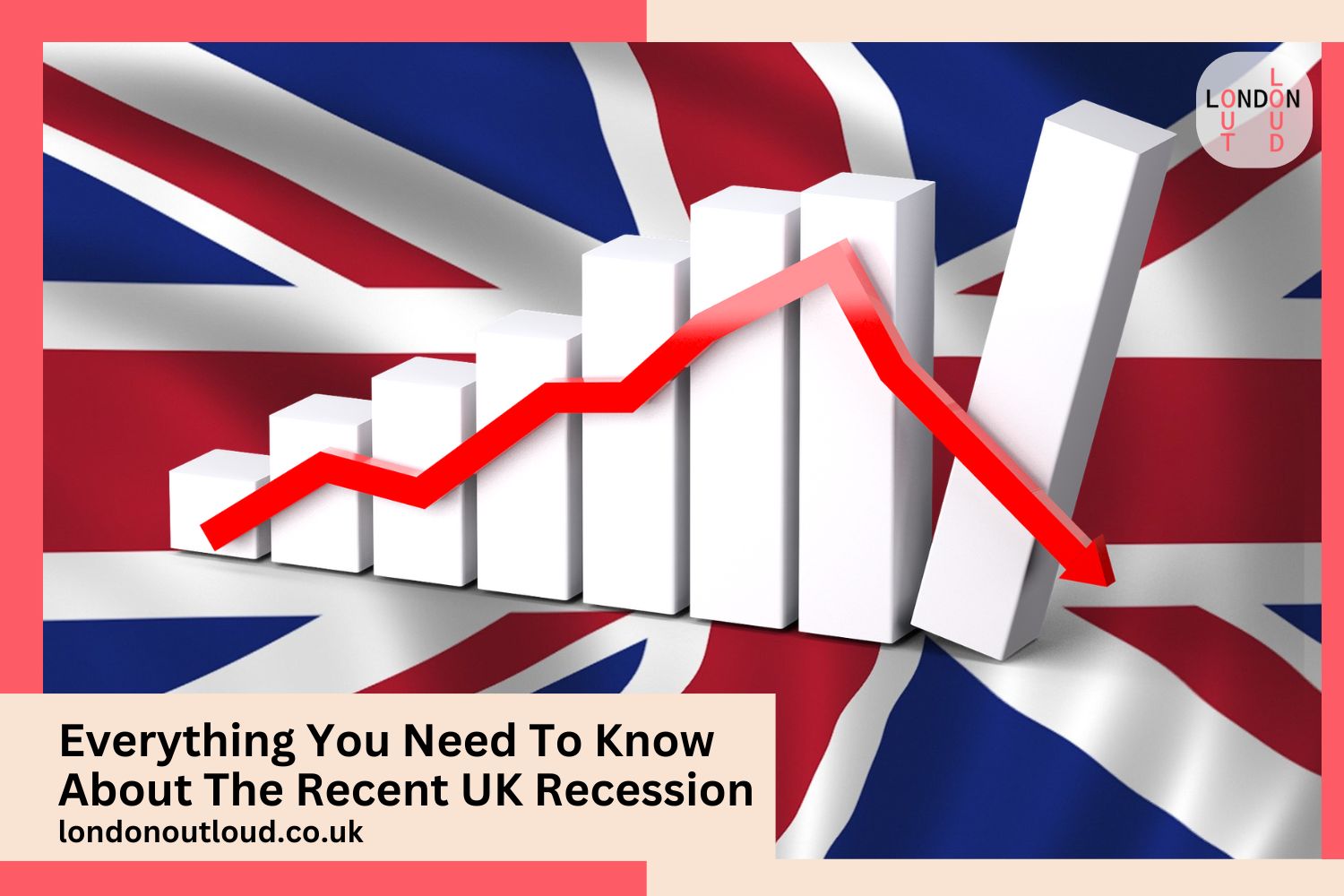
At the end of 2023, the UK slipped into a brief recession, with GDP shrinking by 0.4% over the last two quarters. However, the economy rebounded in early 2024, growing by 0.7% between January and March and 0.5% between April and June.
Now, in 2025, the UK finds itself in yet another recession – its third in five years, raising fresh concerns about job security, rising living costs, and overall financial stability.
But what does this mean for the average individual, and how can you safeguard your finances in times of such instability?
In this guide, we’ll break down what a recession is, its key causes and effects, and, most importantly, practical steps to manage financial uncertainty and recover from economic downturns.
What Does Recession Mean?

Recession refers to a period in time when a nation’s economic activity shows a steady decline, during which trade and industrial activity are reduced. This gradual plummet is generally identified when the nation’s GDP has a downward spiral for 2 consecutive quarters.
Numerous elements have contributed to the UK’s economic decline – let’s take a look!
What Led to the UK Recession?
1. High Inflation and Rising Interest Rates
Earlier in January, the Bank of England (BoE) announced that they’d be cutting the base rate of interest to 4.5%. However, with inflation still high and the risk of a recession, interest rates remain elevated, making borrowing costlier. This has, in turn, made responsible borrowing more crucial.
If you need to borrow money in the current circumstances, especially for an unexpected emergency, consider alternative payday advance loans. They’re a more affordable short-term option compared to traditional payday loans.
2. Energy Price Shocks
The ongoing global energy crisis has resulted in increased fuel and electricity prices, affecting households and businesses alike. Many small businesses have struggled to manage higher operating costs, leading to closures and job losses.
3. Post-Pandemic Economic Shifts
In 2020, our country alongside the global market, faced the most severe recession in 300 years, leading to our government having to borrow hundreds of billions of pounds to support the economy. Although we did bounce back after COVID-19 lockdowns, long-term structural challenges such as labour shortages and supply chain interruptions have persisted.
4. Reduced Consumer Spending
As living costs rise, consumers have reduced leisure spending. As a result, retailers, hospitality sectors, and service providers have experienced a reduction in their sales, which has in turn reduced the overall economic development of our country.
5. Global Economic Uncertainty
We’re not alone in facing economic difficulties. Global factors, such as declining growth in significant economies like the US and China, along with geopolitical tensions, have added to the overall monetary uncertainty. This has affected global supply chains, market volatility, investor confidence, and costs of essentials like oil and gas.
How Does the Recession Affect You?

1. Job Security and Unemployment Risks
During a recession, people are often laid off from their jobs as businesses need to lower expenses. Some industries, like retail, hospitality, and construction, usually suffer the most.
2. Higher Borrowing Costs
As interest rates rise, loans and mortgages become costlier. If you have existing debt, you may want to prioritise paying it off as soon as possible to avoid facing higher repayment expenses.
3. Increased Cost of Living
Although inflation is predicted to decrease, the prices of essential goods and services remain elevated. Households may find it challenging to afford necessities, emphasising the importance of budgeting.
4. Impact on Savings and Investments
Stock markets often fluctuate during a recession, affecting pensions and investment portfolios. If you have money invested in stocks, bonds, or retirement funds, you might notice their value drops temporarily.
It is important not to enter a state of panic in such circumstances, as pulling out your investments may lead to losses. Instead, think about diversifying your assets across different types of investments to reduce risks.
How to Stay Financially Stable During a Recession

1. Build an Emergency Fund
Having three to six months’ worth of expenses saved provides a safety net if you encounter job loss or unanticipated costs.
2. Cut Unnecessary Expenses
Examine your monthly expenditures and pinpoint areas where you can save. Cancel unused subscriptions, switch to more affordable utility providers, and spend only on essentials and sparingly on leisure.
3. Increase Your Earnings
Search for extra sources of income, such as freelance gigs, part-time employment, or side ventures. If you’re in a sector that could be vulnerable to these layoffs, now would be a good time to enhance your skills and look for a side hustle or consider different career paths.
4. Remain Updated and Pursue Financial Guidance
Staying informed about economic developments assists you in making sound financial choices. If you face difficulties, consider consulting a financial adviser or utilising no-cost resources like Citizens Advice.
Will the UK Economy Bounce Back Soon?
Recoveries in the economy require time, but the UK government and financial entities are implementing strategies to support growth. Reduced inflation, managed interest rates, and policy measures may contribute to the economy regaining its strength.
Final Thoughts
We find ourselves amidst another recession which introduces financial obstacles. However, uncertainty doesn’t have to mean financial instability. With strategic planning and intelligent money management, you can effectively make your way through this challenging period.
It is important to remain aware of any economic developments that may happen and keep looking for ways to amplify your income. While challenges may arise, taking proactive measures will make a significant difference in keeping you secure during times of uncertainty.

Author Profile

- Online Media & PR Strategist
- Blogger and Educator by Passion | Contributor to many Business Blogs in the United Kingdom | Fascinated to Write Blogs in News & Education I have completed a journalism summer course at the London School of Journalism and manage various blogs.
Latest entries
 CultureSeptember 19, 202610 Best Beaches Near London to Visit in Any Weather!
 LifestyleJune 17, 2026Student Rubbish Removal in London: A Practical Guide for Parties, Move-Outs & Recycling Right
 BusinessFebruary 27, 2025Everything You Need To Know About The Recent UK Recession
 CultureJune 5, 20246 Best London Comedy Clubs for Good Laughs